Stargazing in Botswana: Discover the Magic of the African Night Sky
Beyond Botswana's extraordinary wildlife and golden sunsets lies another natural wonder: a vast night sky filled with brilliant stars, striking southern constellations and the luminous Milky Way. Discover the best places, times and practical tips for experiencing Botswana after dark.
Botswana is famous for its wilderness, remarkable wildlife and unforgettable safari experiences. But when the sun disappears below the horizon, the country's remote landscapes can reveal a different kind of spectacle. Far from busy urban areas, the night sky can become a natural display of stars and celestial patterns.
Stargazing is an excellent activity for travellers who enjoy astronomy, nature photography or simply spending a peaceful evening outdoors. Whether you are exploring the Makgadikgadi Pans, the Kalahari or the Okavango Delta, the experience depends on choosing a suitable location and having favourable conditions.
When Is the Best Time to Stargaze in Botswana?
Botswana's dry season, generally from May to October, is a good period to plan a stargazing experience. Clear nights are often possible during these months, although clouds, dust, local weather and seasonal conditions can affect visibility.
The winter months can offer rewarding opportunities to observe the Milky Way and southern constellations. Because astronomical objects rise and set at different times throughout the year, the best viewing period also depends on what you want to see.
The Moon is another important consideration. A bright Moon can wash out faint stars and make the Milky Way less visible, while darker nights usually make more celestial detail easier to see.
Stargazing tip: Check the weather forecast, Moon phase and local sunset time before heading out. Plan your evening around a clear, dark sky rather than relying on the season alone.
Best Places for Stargazing in Botswana
1. Makgadikgadi Pans
The enormous open landscapes of the Makgadikgadi Pans provide a dramatic setting for observing the night sky. The expansive horizon and remote surroundings can create excellent conditions for stargazing and night-sky photography when the weather is clear.
Depending on the season and access arrangements, visitors may be able to experience the area's extraordinary sense of space from a suitable campsite or lodge. Access to particular parts of the pans can vary, so confirm local conditions before travelling.
Learn more about the region from the Botswana Tourism Organisation's Makgadikgadi and Nxai Pans guide .
2. The Okavango Delta
The Okavango Delta is celebrated for its waterways, wildlife and remarkable landscapes. Away from strong artificial lighting, remote camps can offer peaceful opportunities to enjoy the stars after a day of safari activities.
Ask your camp about night-sky viewing opportunities and designated outdoor areas. In wildlife habitats, always follow camp rules and your guide's instructions; never walk away alone at night.
3. The Kalahari Desert
The Kalahari's broad landscapes and remote settings make it another appealing option for stargazing. When you are away from settlements and artificial lights, the open sky can provide rewarding views of constellations and the Milky Way.
A night in a suitable wilderness camp can combine the quiet atmosphere of the desert with the chance to observe the sky. Choose accommodation based on its actual location, accessibility and facilities rather than assuming every area has the same viewing conditions.
4. Nxai Pan National Park
Nxai Pan is known for its open landscapes and distinctive baobab scenery. Its wilderness setting can offer an atmospheric backdrop for looking at the stars, especially when skies are clear and local light pollution is limited.
Confirm access requirements, road conditions, accommodation availability and park regulations before your visit. Follow official guidance about where you can safely remain after dark.
What Can You See in Botswana's Night Sky?
The Southern Cross and Southern Constellations
Botswana's position in the Southern Hemisphere makes it possible to observe distinctive southern constellations. Look for the Southern Cross, Centaurus and Carina on suitable nights. A star chart or astronomy app can help you learn their patterns and identify their positions as the sky changes.
The Milky Way
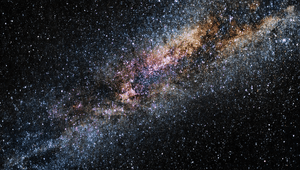
Under dark, clear skies, the Milky Way can appear as a luminous band stretching across the heavens. Its appearance changes throughout the year, so visibility depends on the season, time of night, Moon phase and the position of the galaxy's brighter regions above the horizon.
For the best experience, allow your eyes time to adjust to darkness and avoid bright phone screens, headlights and unnecessary lighting.
Meteor Showers
Meteor showers provide another reason to look up. The Eta Aquariids, which peak around early May, and the Southern Delta Aquariids, which peak around late July, are among the annual showers worth checking when planning a night outdoors in Botswana.
Meteor activity varies from year to year, and the Moon can affect how many meteors are visible. A shower does not guarantee a spectacular display, so check a reliable astronomical calendar for the expected dates and viewing conditions.
See the NASA meteor shower guide for information about annual showers and observing tips.
Essential Stargazing Tips for Your Botswana Safari
- Find a dark location: Choose a suitable viewing area away from bright artificial lights wherever possible.
- Check the Moon phase: Darker nights are generally better for seeing faint stars and the Milky Way.
- Bring binoculars: Binoculars can help reveal star clusters and other celestial details. A telescope is optional for most casual stargazers.
- Dress for the temperature: Botswana's nights can be cold, especially in winter. Bring warm layers and a comfortable blanket or jacket.
- Use a star chart: Download a reputable astronomy app or offline sky map before travelling to areas with limited mobile coverage.
- Protect your night vision: Avoid looking at bright screens or lights for extended periods. Use a dim red light when you need to see your surroundings.
- Prepare your camera: For night-sky photography, a tripod and manual camera settings can help you capture stars. Practise before your trip if you are unfamiliar with long exposures.
- Prioritise wildlife safety: Never wander away from your campsite or lodge alone after dark. Follow your guide's instructions and the property's safety rules.
- Ask about guided experiences: Check whether your camp or safari operator offers a guided night-sky activity. Availability and facilities vary between properties.
Frequently Asked Questions About Stargazing in Botswana
What is the best month for stargazing in Botswana?
May to October is a useful starting period because it generally coincides with the dry season. However, the ideal month depends on cloud cover, Moon phase, the celestial objects you want to observe and your chosen destination.
Where is the best place to see the Milky Way in Botswana?
Remote areas of the Makgadikgadi Pans, the Kalahari and the Okavango Delta may offer excellent conditions where artificial lighting is limited. Choose an accessible viewing location with clear skies and minimal light pollution.
Can you see the Southern Cross in Botswana?
Yes. The Southern Cross is a well-known southern constellation observable from Botswana. Its position and visibility depend on the time of year, time of night and local viewing conditions.
Do you need a telescope for stargazing?
No. Many stars, constellations and the Milky Way can be enjoyed with the naked eye under dark skies. Binoculars can reveal additional details, while a telescope is useful for more specialised astronomical observations.
Is stargazing safe in Botswana's wilderness areas?
Stargazing can be enjoyed safely when you follow local guidance. In wildlife areas, remain in designated viewing spaces, follow camp rules and never walk alone at night without explicit guidance from your camp or safari guide.
Discover Botswana Beyond the Daytime Safari
Botswana offers much more than its celebrated wildlife and daytime adventures. From the expansive Makgadikgadi Pans to the remote Kalahari and the peaceful Okavango Delta, the country's wilderness can provide memorable opportunities to enjoy the night sky.
Plan around favourable weather, check the Moon phase, choose a suitable location and take time to let your eyes adjust to the darkness. Whether you are identifying constellations, watching for meteors or admiring the Milky Way, a night beneath Botswana's stars can become a treasured part of your African adventure.