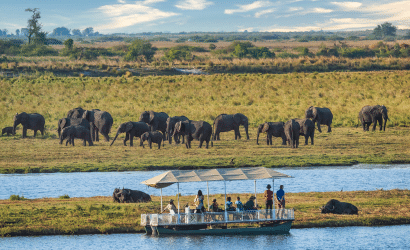
Chobe National Park, Botswana: The Ultimate Wildlife Safari Guide
Discover one of Africa's remarkable wildlife destinations, where enormous elephant herds, diverse birdlife, powerful predators and unforgettable river safaris create an extraordinary Botswana experience.
Chobe National Park is one of Botswana's best-known safari destinations, located in the country's northern region near Kasane. Covering approximately 10,590 square kilometres according to Botswana government information, the park protects an impressive range of habitats and wildlife.
Chobe is especially famous for its large elephant population, herds of buffalo, diverse antelope and more than 450 recorded bird species. Its wildlife-rich riverfront offers a distinctive combination of land-based game drives and boat safaris along the Chobe River.
Beyond the riverfront, the park includes the remote landscapes of Savuti, Linyanti and the Ngwezumba area. Each region has different habitats and seasonal wildlife patterns, making Chobe much more than a single safari stop.
Chobe at a glance
- Location: Northern Botswana, near Kasane.
- Park area: Approximately 10,590 km², according to Botswana government reporting.
- Famous for: Large elephant herds and exceptional riverfront wildlife viewing.
- Birdlife: More than 450 recorded species.
- Popular activities: Game drives, boat cruises, birdwatching and photography.
- Best-known access point: Kasane and the Chobe Riverfront.
Where Is Chobe National Park?
Chobe National Park lies in northeastern Botswana, within the Chobe District. The nearby town of Kasane is an important gateway for visitors arriving by road or air.
The park's northern boundary follows the Chobe River, which supports wildlife throughout the surrounding floodplains and woodlands. The wider region is also strategically positioned for travellers exploring Botswana, Namibia, Zambia and Zimbabwe.
Visitors can travel to Kasane and arrange transfers, guided game drives and river cruises. Travellers driving themselves should check road conditions, park entry requirements and vehicle suitability before setting out.
Read more through the Botswana Tourism Organisation's Chobe National Park guide .
Discover Chobe National Park's Incredible Wildlife
Chobe's varied habitats support a rich diversity of mammals, birds and other wildlife. Sightings are never guaranteed, but the riverfront can provide exceptional opportunities to observe animals in their natural environment.
Elephants: Chobe's Most Famous Residents
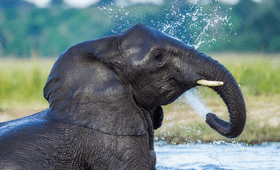
Chobe is internationally renowned for its elephants. During the dry season, large herds often gather along the Chobe River to drink, bathe and interact. Watching family groups move across the floodplain is one of the region's signature safari experiences.
Elephants are highly social animals, and their behaviour can be fascinating to observe. During a safari, visitors may see adults protecting young calves, animals communicating with one another or herds crossing towards the river.
Lions, Leopards and Other Predators
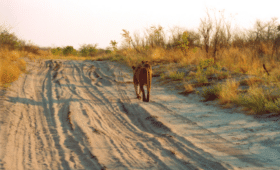
Lions inhabit Chobe, while leopards, spotted hyenas and other predators may also be encountered. Their visibility varies with location, season, habitat and luck. Early morning and late afternoon game drives can offer rewarding opportunities to search for wildlife with an experienced guide.
Chobe is not generally a complete Big Five destination: rhinoceroses are not a regular feature of its wildlife viewing. However, its elephants, buffalo and predators remain major attractions.
Buffalo and Antelope
Cape buffalo are often seen in substantial herds, especially around water and suitable grazing areas. Other species may include impala, kudu, waterbuck, sable antelope, roan antelope, red lechwe and the locally distinctive puku.
The species encountered depend on the habitat you visit. Floodplains, woodland and marshy areas all support different wildlife communities.
Birdwatching in Chobe
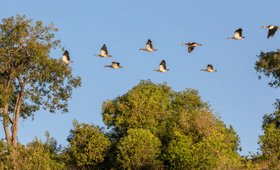
With more than 450 recorded bird species, Chobe is a rewarding destination for birdwatchers. Depending on the season and location, visitors may spot African fish eagles, kingfishers, bee-eaters, storks, herons, egrets and numerous waterbirds.
Migratory species add further interest during the wetter months. A boat cruise can be particularly productive for observing birds along the riverbanks and around aquatic habitats.
| Wildlife group | Examples | Where to look |
|---|---|---|
| Large mammals | Elephants and buffalo | Riverfront and floodplains |
| Predators | Lions, leopards and hyenas | Woodland, riverfront and other suitable habitats |
| Antelope | Impala, kudu, waterbuck and puku | Woodland, grassland and floodplains |
| Water-associated wildlife | Hippos and crocodiles | Chobe River and suitable waterways |
| Birdlife | Fish eagles, kingfishers and bee-eaters | Riverbanks, wetlands and woodland |
The Different Regions of Chobe National Park
Chobe Riverfront
The riverfront is the most accessible and frequently visited section of the park for travellers staying in Kasane. Its floodplains and riverine habitats attract elephants, buffalo, antelope, birds and predators.
This area is particularly popular for morning and afternoon game drives, as well as boat cruises that reveal a different perspective on the wildlife.
Savuti
Savuti is known for its distinctive landscapes, open plains and changing wildlife patterns. The Savuti Marsh can attract large numbers of herbivores at certain times of year, followed by predators searching for opportunities.
Savuti is generally better suited to travellers planning an extended safari rather than a short visit from Kasane alone. Travel times and road conditions should be considered carefully.
Linyanti
The Linyanti area features remote wilderness, river systems, wetlands and woodland. Its relative remoteness can appeal to visitors seeking a quieter safari experience, wildlife photography and time in less accessible parts of northern Botswana.
Ngwezumba Area
The Ngwezumba area includes woodland and seasonal pans that respond to rainfall. Wildlife distribution can change substantially between the wet and dry seasons, offering a different experience from the permanent waters of the riverfront.
Best Safari Experiences in Chobe National Park
Game Drives
A guided game drive is one of the best ways to explore Chobe's terrestrial wildlife. Professional guides use their local knowledge to interpret tracks, understand animal behaviour and search for wildlife across different habitats.
Morning drives can be rewarding for observing animals during the cooler hours, while afternoon drives provide opportunities to watch wildlife as it becomes active towards sunset. Sightings depend on natural conditions and cannot be guaranteed.
Explore the Chobe Morning Game Drive for a guided safari experience near Kasane.
Chobe River Boat Cruises
A boat cruise offers a different way to experience the park. From the water, visitors can observe elephants approaching the river, hippos surfacing, crocodiles resting along the banks and birds feeding in the shallows.
The river also provides excellent opportunities for wildlife photography, especially when the light softens in the late afternoon. Always follow your skipper's safety instructions and maintain a respectful distance from wildlife.
Discover the Chobe Sunset Boat Cruise for a scenic river experience.
Birdwatching
Birdwatching can be enjoyed throughout the park, with river habitats particularly attractive to waterbirds and fishing species. The wetter months can bring additional migratory birds, although good sightings are possible in other seasons.
Wildlife Photography
Chobe's open riverfront, large animal herds and dramatic afternoon light can create excellent photography opportunities. Bring a suitable lens, protect your equipment from dust and follow your guide's instructions when approaching wildlife.
Multi-Day Safaris
Travellers with more time can combine the Chobe Riverfront with destinations such as Savuti, Linyanti and the Okavango Delta. A longer itinerary offers the opportunity to experience different ecosystems instead of concentrating on one area.
When Is the Best Time to Visit Chobe National Park?
Chobe can be visited throughout the year, but seasonal changes influence wildlife viewing, road conditions, scenery and temperatures.
Dry Season: May to October
The dry season is particularly popular for riverfront game viewing. As natural water sources become scarcer, elephants, buffalo and other animals frequently gather near the Chobe River. Vegetation can also become less dense, helping visitors spot wildlife in some areas.
Conditions can become extremely hot towards the end of the dry season, particularly in September and October. These months are also popular with visitors, so advance planning is advisable.
Wet Season: November to April
The wet season brings greener landscapes, seasonal rainfall and opportunities to observe migratory birds and young animals. Wildlife can be more dispersed as water and grazing become available across a wider area.
Rain may affect road conditions, especially on remote routes. Travellers should check forecasts and local advice before driving into the park.
| Period | What to expect | Planning considerations |
|---|---|---|
| May–June | Drying landscapes and increasingly rewarding riverfront viewing | Good period to consider for comfortable safari conditions |
| July–August | Strong dry-season wildlife viewing | Book popular activities and accommodation ahead |
| September–October | Animals often concentrate around permanent water | Prepare for intense heat, especially in October |
| November–April | Greener scenery, rainfall and seasonal birdlife | Allow for changing weather and road conditions |
These are general seasonal patterns, not guarantees. Actual wildlife sightings and conditions vary from year to year and between different parts of the park.
Accommodation Near Chobe National Park
Visitors can choose from a range of accommodation options in and around Chobe, depending on their budget, preferred comfort level and safari itinerary. Kasane is a convenient base for day visitors, while selected camps and lodges deeper in the wilderness offer a more remote experience.
Luxury Lodges
Luxury lodges may offer spacious rooms or suites, dining facilities, swimming pools, guided activities and scenic locations. Some properties are positioned close to the river, while others are situated in woodland or more remote settings.
Tented Camps and Safari Camps
Tented accommodation can combine a close-to-nature atmosphere with comfortable beds, private facilities and meals, depending on the property. Facilities and service levels vary, so check the details before booking.
Guesthouses and Hotels in Kasane
Staying in Kasane can be practical for travellers planning morning game drives, afternoon boat cruises or day trips towards Victoria Falls. The town offers different types of accommodation, making it useful for a range of budgets.
Camping
Camping can provide a more independent safari experience. However, campsites inside wildlife areas may be unfenced, and animals can move through the surrounding area. Use only authorised campsites, secure food appropriately and follow all wildlife-safety rules.
Accommodation advice: Compare location, included meals, transfers, park fees, safari activities and cancellation conditions rather than judging a property on its nightly price alone. Confirm current rates directly with the accommodation provider or your booking agent.
How to Reach Chobe National Park
By Air
Kasane Airport serves the Chobe region. Depending on your itinerary, you may arrive on a scheduled flight or connect through another regional destination. Confirm flight schedules and transfer arrangements before travelling.
By Road
Kasane is connected by road to other destinations in northern Botswana and the wider region. Travellers driving themselves should check road conditions, fuel availability, border formalities where applicable and the suitability of their vehicle for the intended route.
With a Guided Safari Operator
Guided excursions can simplify logistics for visitors staying in Kasane. Depending on the booking, arrangements may include hotel pickup, a safari vehicle or boat, a professional guide and specified park fees. Always confirm what is included before paying.
Responsible Tourism and Wildlife Conservation
Chobe's wildlife and natural habitats are among Botswana's most valuable tourism assets. Responsible visitor behaviour helps minimise disturbance to animals and supports the long-term protection of the landscape.
- Respect wildlife: Maintain safe distances and never attempt to feed, touch or chase wild animals.
- Follow your guide: Remain in authorised areas and obey park regulations and safety instructions.
- Reduce waste: Take litter with you and avoid leaving plastic or food scraps in the environment.
- Protect natural habitats: Do not damage vegetation or disturb bird nesting sites and other sensitive areas.
- Support local businesses: Consider accommodation providers, guides and locally owned businesses that operate responsibly.
- Conserve resources: Use water and energy thoughtfully during your stay.
Tourism can support livelihoods and conservation when it is managed responsibly. Choosing knowledgeable guides and respecting local communities helps make a safari more rewarding for both visitors and the people who live in the region.
Practical Tips Before Your Chobe Safari
- Book early during peak season: Popular accommodation and safari activities can fill up in advance.
- Wear neutral clothing: Comfortable, breathable clothes are useful for game drives.
- Carry sun protection: Bring a hat, sunscreen, sunglasses and drinking water.
- Bring binoculars: They are useful for birdwatching and observing animals at a distance.
- Prepare for dust and changing weather: A light jacket and protection for camera equipment can be useful.
- Confirm inclusions: Check whether park fees, transfers, refreshments and other expenses are included in your activity price.
- Follow health advice: Consult a qualified travel-health professional about relevant precautions for your itinerary.
Frequently Asked Questions About Chobe National Park
Where is Chobe National Park located?
Chobe National Park is in northern Botswana, in the Chobe District. Kasane is the principal gateway for many visitors exploring the Chobe Riverfront.
What is Chobe National Park famous for?
Chobe is best known for its large elephant herds, diverse wildlife, river safaris and more than 450 recorded bird species.
When is the best time to visit Chobe?
May to October is a popular period for riverfront wildlife viewing because many animals gather near permanent water. The wet season offers greener scenery and seasonal birdlife. Your ideal travel period depends on your interests and preferred conditions.
Can you see elephants on a Chobe boat cruise?
Yes. Elephants frequently visit the Chobe River, and a boat cruise can provide excellent opportunities to observe them from the water. Sightings depend on natural conditions and are never guaranteed.
What activities can you do in Chobe National Park?
Popular experiences include guided game drives, Chobe River boat cruises, birdwatching, wildlife photography and longer multi-day safaris.
Is Chobe National Park suitable for a day trip?
Yes. Visitors staying in Kasane can combine a guided game drive or river cruise with other activities, depending on their schedule. Travelling to more remote areas such as Savuti usually requires additional time and careful planning.
Can you see the Big Five in Chobe National Park?
Chobe is known for elephants, buffalo and predators such as lions and leopards. Rhinoceroses are not regularly encountered in the park, so visitors should not assume all five species will be present.
What accommodation is available near Chobe?
Options include hotels, guesthouses, safari lodges, tented camps and authorised campsites. Availability, facilities and prices vary by location and season.
Experience the Wild Beauty of Chobe National Park
Chobe National Park offers an unforgettable introduction to Botswana's remarkable wildlife and wilderness. From elephant herds gathering along the Chobe River to predators moving through woodland and birds filling the riverbanks, every safari brings the possibility of a new discovery.
Whether you choose a morning game drive, a scenic river cruise or a longer journey into Savuti and Linyanti, Chobe rewards visitors with diverse landscapes and memorable wildlife encounters.
Plan your visit around your interests, travel responsibly and allow enough time to appreciate this extraordinary part of northern Botswana.