Explore Botswana • Safari • Culture
Top 10 Must-Visit Destinations in Botswana
From elephant-filled rivers and pristine wetlands to remote desert landscapes and ancient rock art, discover 10 remarkable places to experience Botswana.
Botswana is a land of remarkable contrasts. It is home to extraordinary wildlife, sweeping wilderness areas, seasonal wetlands, vast salt pans and communities with deep cultural roots. Whether you dream of watching elephants along a river, exploring the Okavango Delta by mokoro, or discovering ancient rock paintings, the country offers experiences for a wide range of travellers.
This guide introduces 10 destinations worth considering when planning a Botswana safari. Each has its own character, from established wildlife parks to quieter places where culture, scenery and a slower pace of travel take centre stage.
1. Chobe National Park
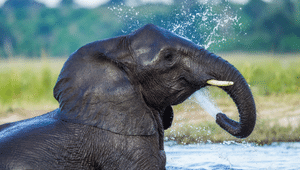
Located in northern Botswana near Kasane, Chobe National Park is famous for its large elephant population and outstanding wildlife viewing. The Chobe River forms part of the park's northern boundary, attracting elephants, buffalo, hippos and numerous other animals, particularly when surrounding areas become dry.
Chobe offers two complementary ways to experience the wilderness. Game drives explore woodland and open terrain in search of wildlife, while river cruises provide a different perspective on animals gathering along the water and birds feeding on the riverbanks.
- Impressive elephant sightings, often in large herds.
- River cruises with opportunities to see hippos, crocodiles and aquatic birds.
- Game drives in search of lions, buffalo, antelope and other wildlife.
- Convenient access from Kasane, making it a popular safari destination.
For travellers staying in Kasane, a combination of a Chobe game drive and a Chobe River boat cruise can provide two very different wildlife experiences.
Discover the park through the Chobe National Park destination guide.
2. Okavango Delta
The Okavango Delta is one of Botswana's most extraordinary natural treasures. This inland delta spreads seasonal floodwaters across a network of channels, lagoons, islands and floodplains, creating a constantly changing wetland environment. It was inscribed on the UNESCO World Heritage List in 2014.
The Delta supports a rich variety of wildlife, including elephants, antelope, predators and remarkable birdlife. The exact animals you see depend on the area, water levels and season.
A guided mokoro excursion, where conditions permit, offers a quieter way to explore narrow channels and appreciate the smaller details of this remarkable ecosystem. Walking safaris and game drives may also be available depending on the location and operator.
- Peaceful mokoro journeys through suitable waterways.
- Beautiful floodplains, islands and wetland scenery.
- Opportunities to observe elephants, aquatic wildlife and birds.
- A range of safari experiences, from camping to luxury lodges.
Explore the region with a guided Okavango-style mokoro safari where available, or plan an itinerary around the Delta's seasonal water conditions.
3. Moremi Game Reserve
Moremi Game Reserve protects a varied landscape on the eastern side of the Okavango region. Its combination of floodplains, lagoons, woodland and dry savanna creates habitat for a wide range of wildlife and makes the reserve an excellent destination for a classic safari.
Moremi is well known for opportunities to look for predators, including lions and leopards, as well as African wild dogs. The reserve also appeals to bird lovers, with wetland and woodland habitats attracting many species.
Game drives offer opportunities to explore different parts of the reserve. Depending on your itinerary, location and conditions, guided walks or water-based activities may also be possible in suitable areas.
- Diverse habitats and rich wildlife viewing.
- Opportunities to look for lions, leopards and African wild dogs.
- Interesting birdlife around lagoons and floodplains.
- A rewarding destination for multi-day safari itineraries.
Moremi is especially suited to travellers who want to combine landscapes, bird watching and wildlife viewing in one safari.
4. Central Kalahari Game Reserve
The Central Kalahari Game Reserve offers a remote wilderness experience across an immense landscape of open grasslands, sandy plains, shrubland and scattered trees. Its scale and isolation make it very different from the river-based safari areas of northern Botswana.
Wildlife includes species adapted to semi-arid conditions, such as gemsbok, springbok and other antelope. Predators and a variety of birds are also present, although sightings depend on local conditions and the areas visited.
The rainy season can transform parts of the reserve with fresh grass and temporary water sources. This change can attract wildlife and bring increased activity, while the dry season offers its own distinct landscapes and viewing conditions.
- Wide, remote landscapes and a strong sense of wilderness.
- Desert-adapted and open-country wildlife.
- Seasonal changes in grassland, water and animal movement.
- Excellent opportunities for experienced self-drive and guided safari travellers who prepare carefully.
Before you go: Distances are long and services can be limited. Check road and campsite conditions, plan fuel and supplies carefully, and ensure your vehicle and travel arrangements are suitable for the route.
5. Makgadikgadi Pans
The Makgadikgadi Pans region is known for enormous salt flats, open horizons and dramatic changes between the dry and rainy seasons. During dry periods, parts of the landscape appear stark and almost otherworldly. After favourable rainfall, temporary wetlands and grasslands can attract wildlife and birds.
Seasonal wildlife highlights may include zebra movements and gatherings of waterbirds. Flamingos can appear when suitable shallow water and feeding conditions develop, but sightings are dependent on rainfall and should never be guaranteed.
The region is also popular for its sense of space and night skies. Away from bright lights and when conditions are clear, stargazing can be a memorable part of a visit.
- Vast salt-pan scenery and beautiful open horizons.
- Seasonal zebra movements and changing wildlife activity.
- Possible flamingo and other waterbird sightings in favourable conditions.
- Stargazing opportunities and distinctive desert scenery.
Choose your travel dates with local conditions in mind, as the best wildlife and birding experiences can vary considerably between seasons.
6. Nxai Pan National Park
Nxai Pan National Park features open grasslands, seasonal pans and striking baobab scenery. It is particularly appealing to photographers and travellers who enjoy open landscapes as well as wildlife.
After rain, new grazing can attract zebras and other herbivores. Predators may follow, so wildlife sightings vary according to food, water and seasonal movements. The famous Baines' Baobabs, a group of distinctive old trees near Kudiakam Pan, are among the area's best-known landscape features.
Bird life can also become more active when seasonal water is available. Because rainfall patterns are unpredictable, it is worth checking recent conditions before planning a visit around particular sightings.
- Open plains and distinctive baobab scenery.
- Opportunities for wildlife photography.
- Seasonal zebra and other wildlife activity.
- A different safari atmosphere from Botswana's river and delta regions.
7. Tsodilo Hills
Tsodilo Hills is one of Botswana's most important cultural heritage destinations. This landscape of rocky hills is recognised for its ancient rock art, with thousands of paintings associated with the area's long history of human settlement and spiritual significance.
Tsodilo is deeply important to local communities, including San communities, and is more than a scenic stop. Guided visits provide context for the art, the landscape and the cultural traditions associated with the hills.
Visitors should follow their guide's instructions, respect sacred places and avoid touching or damaging the rock art. The rugged surroundings also offer opportunities to appreciate the landscape and observe wildlife suited to rocky and dry habitats.
- Ancient rock art and extraordinary cultural heritage.
- Guided learning about the site's history and significance.
- Rocky scenery and a peaceful, remote atmosphere.
- A meaningful cultural complement to a wildlife safari.
Tsodilo is best experienced with adequate time for the cultural and historical significance of the site, rather than treating it simply as a quick sightseeing stop.
8. Khama Rhino Sanctuary
Located near Serowe, Khama Rhino Sanctuary is a community-based conservation project established to help protect rhinos and support local benefits from responsible tourism. It offers a different kind of wildlife experience from Botswana's larger, more remote parks.
The sanctuary provides habitat for both black and white rhinos, alongside other wildlife and a wide variety of birds. Visitors may explore on game drives and learn about conservation, with accommodation and camping options available at the sanctuary.
Rhino sightings are not guaranteed. Follow sanctuary rules, keep a respectful distance from wildlife and remain in your vehicle when required by staff.
- Conservation efforts focused on rhinos.
- Opportunities to learn about community-based conservation.
- Game drives, birding and nature experiences.
- A useful stop for road trips through central Botswana.
Learn about accommodation, activities and visiting arrangements from the official Khama Rhino Sanctuary website.
9. Gweta Village
Gweta is a small village in central Botswana and a useful base for travellers exploring the Makgadikgadi area. Rather than a national park itself, Gweta provides a chance to experience village life and use local accommodation and guiding services while visiting nearby landscapes.
The surrounding region is known for its salt pans, open grasslands and seasonal wildlife. During suitable conditions, the wider area can offer opportunities to learn about zebra movements and to look for birds and other wildlife.
Spending time in the village can add a cultural dimension to a safari. Choose locally guided experiences where available, ask permission before photographing people, and respect community customs.
- A village-based perspective on travel in rural Botswana.
- A convenient access point for exploring parts of the Makgadikgadi region.
- Opportunities to learn about local life and community tourism.
- Access to surrounding landscapes that change with the seasons.
10. Kgalagadi Transfrontier Park
Kgalagadi Transfrontier Park straddles the border between Botswana and South Africa and protects a vast landscape of red dunes, dry riverbeds, open plains and sparse vegetation. Its wide horizons and semi-arid conditions create a distinctive wilderness experience.
The park is known for Kalahari-adapted wildlife, including gemsbok, springbok and predators such as lions and cheetahs. The famous black-maned lions are a possible highlight, although sightings always depend on luck and local conditions.
The Botswana side includes remote wilderness areas such as Mabuasehube. Travel here requires careful planning: some routes need a suitable 4x4, campsites and wilderness routes may require advance arrangements, and travellers should check current access rules before departure.
- Red dunes, dry riverbeds and immense open landscapes.
- Opportunities to look for gemsbok, springbok, lions and cheetahs.
- A remote safari atmosphere suited to prepared self-drive travellers.
- Cross-border conservation across Botswana and South Africa.
For a trip focused on the Botswana side, explore the Mabuasehube destination page.
When Is the Best Time to Visit Botswana?
The best time to visit depends on your priorities, destination and travel style. The dry season is popular for traditional wildlife viewing, while the rainy season can bring greener scenery, migratory birds and seasonal wildlife activity.
- May to October: Generally drier conditions and often excellent wildlife viewing around reliable water sources. Dust, temperatures and local water levels vary by region.
- November to April: The green season, with rain in many areas, lush vegetation and increased activity among many migratory and breeding birds. Some roads may become difficult, and wildlife can be less concentrated.
Important: These are broad seasonal patterns, not guarantees. The Okavango Delta's flood cycle, local rainfall and road conditions can differ from one year to another. Check the conditions for your chosen destinations before booking.
How Many Days Do You Need in Botswana?
A trip of 10 to 14 days can allow time for several major destinations without rushing, especially if you plan your route carefully. However, covering all 10 places in one trip can involve long distances, remote roads and considerable travel time.
For a first visit, consider choosing a few regions that work well together. For example, a northern itinerary can combine Chobe with the Okavango region, while a central Botswana trip can focus on the Makgadikgadi area, Nxai Pan and cultural stops such as Gweta. More remote destinations may need extra days and more detailed logistics.
Practical Tips for Planning a Botswana Safari
- Plan your route first: Botswana is large, and distances between parks can be considerable. Avoid trying to fit too many destinations into a short trip.
- Choose suitable transport: Some parks and wilderness routes require a capable 4x4. Check road conditions and access rules before travelling.
- Book key accommodation early: Campsites and lodges in popular or remote areas can have limited availability.
- Pack for changing conditions: Bring neutral-coloured clothing, a hat, sunscreen, insect repellent, binoculars, suitable footwear and a rain jacket in the wet season.
- Travel responsibly: Follow park rules, keep a respectful distance from wildlife, reduce litter and respect local communities and cultural sites.
- Allow flexibility: Wildlife sightings, rainfall, water levels and road access can change. A flexible itinerary makes it easier to enjoy the experience.
Frequently Asked Questions About Visiting Botswana
What is the best time to visit Botswana?
May to October is generally popular for dry-season wildlife viewing. November to April is often rewarding for migratory birds, green scenery and seasonal wildlife activity. The best period depends on which regions you plan to visit.
How many days should I spend in Botswana?
Ten to fourteen days is a useful starting point for a multi-destination trip. It is usually better to explore a few regions well than to rush between all 10 destinations, especially when visiting remote parks.
Is Botswana suitable for budget travellers?
Yes, although costs vary considerably by region and travel style. Camping, self-driving where permitted and choosing simpler accommodation can reduce expenses. Remote destinations can require specialised vehicles, extra supplies and additional planning, so compare the total cost rather than accommodation alone.
Can I self-drive in Botswana?
Self-driving is possible in suitable areas, but some parks and remote routes require a capable 4x4 and careful preparation. Check current park rules, road conditions, fuel availability, camping requirements and recovery arrangements before travelling.
What should I pack for a Botswana safari?
Pack comfortable neutral-coloured clothes, a hat, sunscreen, insect repellent, binoculars, a camera, sturdy footwear and personal essentials. A rain jacket is useful in the wet season. Self-drive travellers may need extra water, food, fuel and recovery equipment depending on the route.
Are guided safaris available?
Yes. Guided game drives, boat cruises, mokoro excursions and other experiences are available in suitable destinations and seasons. Activities depend on location, water levels, operator arrangements and local rules.
Can I combine Botswana with Victoria Falls or other countries?
How can I travel responsibly in Botswana?
Respect wildlife, follow guide instructions, avoid disturbing animals, carry out your rubbish and respect cultural sites. Where possible, choose responsible local operators and community-based experiences that contribute to conservation and local livelihoods.
Discover the Many Sides of Botswana
From elephant herds along the Chobe River to the waterways of the Okavango Delta, the remote grasslands of the Kalahari and the ancient heritage of Tsodilo Hills, Botswana offers far more than one kind of safari.
Every destination brings a different landscape, wildlife experience or cultural perspective. By choosing destinations that suit your interests and allowing enough time to explore them, you can create a rewarding journey through one of southern Africa's most remarkable countries.
Start with the experiences that matter most to you, plan around the season and local conditions, and leave room for the unexpected discoveries that make a Botswana journey memorable.