Botswana Travel Guide • Safari Planning
Best Time to Visit Botswana: A Month-by-Month Safari Guide
Discover when to plan your Botswana safari for wildlife viewing, bird watching, Okavango Delta experiences and beautiful seasonal landscapes.
Botswana is a year-round safari destination, but each season brings a different experience. The dry months are popular for wildlife viewing as many animals gather around reliable water sources, while the rainy or green season transforms parts of the country with fresh vegetation, migratory birds and seasonal wildlife activity.
The best time to visit depends on what you hope to see, where you plan to travel and how you prefer to explore. A safari in Chobe National Park may offer a different experience from a trip to the Okavango Delta, the Makgadikgadi Pans or the Central Kalahari.
This guide explains Botswana's seasons, what to expect month by month and how to choose travel dates that match your interests. Start planning with our Botswana destination guide.
1. The Dry Season: May to October
Botswana's dry season is a favourite for many safari travellers. As the months progress, seasonal water sources dry up in many areas and wildlife can become more concentrated around rivers, waterholes and permanent pools. Vegetation also becomes less dense, which can make animals easier to see in open habitats.
May to August generally brings cooler winter conditions, particularly in the early morning and evening. September and October become progressively hotter, and October can be extremely hot in some regions. Game viewing can remain excellent, especially near dependable water sources, but the heat means visitors should plan activities carefully.
Why Visit During the Dry Season?
- Wildlife viewing: Animals in many areas gather around dependable water, offering rewarding opportunities to look for elephants, buffalo, antelope and predators.
- Clearer visibility: Drier vegetation and shorter grasses can make it easier to spot wildlife in suitable habitats.
- Comfortable winter days: May to August often has sunny, dry weather, although early mornings and nights can be cold.
- River-based safaris: Chobe's riverfront can be particularly rewarding as wildlife comes to drink along the water.
- Okavango Delta flood season: Floodwater arrives in parts of the Delta during Botswana's dry months, creating distinctive wetland safari opportunities.
Important: Dry season does not mean every road, channel or wildlife area has identical conditions. Water availability, animal movements and access vary between destinations and from one year to another.
May: The Transition into Winter
May is often a transition month as rainfall decreases and the landscape begins to dry. Temperatures can be more comfortable than in the hottest months, making it an appealing time to travel. Wildlife viewing may improve as some seasonal water sources begin to disappear, although local conditions vary.
For travellers who prefer less intense heat, May can be a useful month to consider. Check the recent rainfall and road conditions for your chosen parks before setting your route.
June to August: Cool, Dry Safari Conditions
These months generally offer cooler dry-season weather, with sunny days and chilly early mornings or nights. Wildlife viewing can be excellent in areas where animals gather near rivers and permanent water sources.
In the Okavango Delta, floodwater from the river system arrives during the dry season, so parts of the Delta can have impressive water-based scenery even when local rainfall is low. The timing and level of flooding differ by location and year.
These months are popular with safari travellers, so book sought-after lodges, camps and specialist activities early where possible.
September to October: Hot, Dry and Rewarding for Wildlife
September and October are among the hottest months in many parts of Botswana. As the dry season advances, wildlife viewing can be rewarding around permanent water sources, including the Chobe River. However, daytime heat can be intense, and outdoor activities require sensible planning.
Choose early morning and late afternoon outings where appropriate, drink enough water and follow your guide's advice. October is not necessarily the most comfortable month, even when animal sightings are good.
2. The Green Season: November to March, with April as a Transition
Botswana's rainy season generally falls during the warmer summer months, with rainfall varying by region. October and April are often transitional months; showers may arrive early in some areas and later in others. The green season is commonly described by safari operators as extending into April, but actual conditions depend on local weather.
When rain arrives, grasslands and woodlands can become greener, skies more dramatic and seasonal pools more widespread. Migratory birds are present, and many resident species become active around breeding time. Young antelope and other seasonal wildlife can also add interest to game drives.
Why Visit During the Green Season?
- Bird watching: Migratory birds arrive, making this a rewarding period for birders in suitable habitats.
- Beautiful scenery: Fresh vegetation, storm clouds and green landscapes create different photographic opportunities from the dry months.
- Young wildlife: Many plains game species give birth during the warmer months, although timing depends on the species and conditions.
- Changing wildlife behaviour: Rain and new vegetation can influence where animals feed and move, offering a different safari experience.
- Potentially quieter travel: Some camps and areas experience fewer visitors or seasonal offers, but availability and prices vary by lodge and holiday period.
Plan for rain and heat: Some remote roads can become muddy or difficult after heavy rainfall, and wildlife may spread across a wider area when more water and grazing are available. The green season can be rewarding, but sightings and access are less predictable in some locations.
November to December: The Rains Begin
The first rains may bring relief from the heat and encourage fresh growth. The exact start of the rainy season is unpredictable, so November can be wet in one area and relatively dry in another.
Bird activity increases as migrants arrive, while fresh vegetation begins to transform parts of the landscape. Wildlife can still be seen, but animals may be less concentrated around permanent water than later in the dry season. Conditions can change quickly, so confirm road access before travelling to remote areas.
January to March: The Main Rainy Period
January and February are generally among Botswana's wetter months, although rainfall varies considerably across the country. This period can bring lush vegetation, dramatic skies, active birdlife and opportunities to photograph the landscape in a greener state.
Rain may affect travel times, unpaved roads and access to some areas. Plan more flexibility into your itinerary and avoid assuming that all activities will run exactly as scheduled. Early mornings and late afternoons are often preferable for wildlife viewing during hot weather.
April: A Month of Transition
April often marks a shift away from the main rainy season, although showers can continue in some places. Temperatures may become more comfortable than during the hottest part of summer, and the landscape can remain green after rainfall.
April can be an appealing compromise for travellers seeking a combination of reasonable weather and seasonal scenery. Check local conditions, as the timing of the transition varies by region and year.
3. Botswana Month-by-Month Safari Overview
Use this broad guide to begin planning. It describes typical seasonal patterns rather than guaranteeing specific weather, animal sightings or road access.
| Month | Typical Conditions | Good For | Things to Consider |
|---|---|---|---|
| January | Warm, often rainy and green | Bird watching, green scenery and seasonal wildlife activity | Rain can affect roads and access in some areas. |
| February | Warm, generally within the rainy season | Birding, photography and lush landscapes | Allow for rain, heat and flexible schedules. |
| March | Warm, with rainfall often continuing | Green-season landscapes and bird watching | Conditions vary by region; some routes may be difficult. |
| April | Transitional; rain may taper off | Changing scenery and a mix of seasonal experiences | Check local weather and road conditions. |
| May | Increasingly dry and cooler | Early dry-season safaris and comfortable daytime travel | Early mornings can become cold. |
| June | Dry, cooler winter conditions | Wildlife viewing and the developing Okavango flood season | Pack warm layers for morning and evening activities. |
| July | Dry and generally cool in the mornings | Classic dry-season safaris and suitable water-based activities | Popular safari areas may need advance booking. |
| August | Dry, with temperatures beginning to rise | Wildlife viewing near permanent rivers and water sources | Book ahead and prepare for dusty conditions. |
| September | Hot and dry | Riverfront wildlife viewing and dry-season safaris | Plan outdoor activities around the heat. |
| October | Often very hot; first rains may occur | Wildlife concentrated around available water | Heat can be intense before regular rains arrive. |
| November | Hot; the first rains may arrive | Early green-season scenery and bird activity | Rainfall timing and wildlife distribution are unpredictable. |
| December | Warm, often greener and wetter | Migratory birds, fresh vegetation and young wildlife | Holiday periods and wet conditions may affect availability and travel. |
4. Understanding the Okavango Delta Floods
One of Botswana's most distinctive natural events is the seasonal flooding of the Okavango Delta. The Delta receives water from the wider Okavango River system, and annual floodwater reaches parts of the Delta during Botswana's dry season.
This means that local rainfall and flood levels are not the same thing. A month with little rain in Botswana can still bring significant water movement through sections of the Delta. The timing of the flood pulse, the height of the water and the channels available for activities vary between years and parts of the Delta.
When water levels are suitable, visitors may enjoy mokoro excursions, boat activities or other water-based experiences where locally available. These activities depend on the destination, operator, water levels and safety conditions.
Read more about the Delta's unique seasonal system from the UNESCO World Heritage Centre.
5. Which Season Is Best for Each Destination?
Chobe National Park
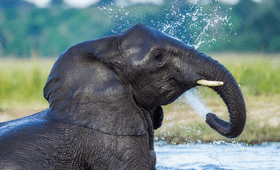
The dry months, especially as water becomes scarcer, can be excellent for wildlife viewing along the Chobe River. Elephant and buffalo sightings may be rewarding near the riverfront, while boat cruises provide a different perspective on animals and birds near the water. For activity ideas, see our game drives and boat cruises.
Okavango Delta
The Delta offers different experiences across the year. Green-season visits can bring migratory birds and lush scenery, while the dry months can coincide with the arrival of floodwater in parts of the Delta. Choose your dates based on the specific area, the activities you want and local water conditions.
Moremi Game Reserve
Moremi combines wetlands, floodplains and dryland habitats. Dry-season conditions can make some areas easier to access and wildlife more concentrated near dependable water, while the green season may provide rich vegetation and interesting bird activity. Access and sightings depend on local conditions.
Makgadikgadi Pans and Nxai Pan
These destinations change significantly with rainfall. Dry conditions can reveal sweeping salt-pan landscapes, while seasonal rains may transform surrounding grasslands and create conditions that attract wildlife and waterbirds. Flamingo sightings and wildlife movements are dependent on conditions rather than guaranteed by month.
Central Kalahari Game Reserve
The reserve offers a remote wilderness experience throughout the year. After favourable rains, parts of the landscape can turn greener and draw wildlife to new grazing areas. Dry-season travel may offer a different landscape and viewing experience, but remote access requires careful planning in every season.
6. Practical Tips for Planning Your Botswana Safari
- Book popular areas in advance: Camps and lodges in high-demand destinations can fill well ahead of the dry-season peak.
- Pack for the actual season: Bring light layers for daytime use, warm clothing for dry-season mornings and evenings, and rain protection during the rainy months.
- Plan around the heat: September and October can be extremely hot. Carry water and follow your guide's recommendations for activity times.
- Check roads and access: Rain can affect remote tracks, while some wilderness routes require an appropriate 4x4 and careful preparation.
- Choose activities carefully: Confirm that boat cruises, mokoro excursions, walking safaris and game drives are available in your chosen location and season.
- Allow flexibility: Wildlife is unpredictable, rainfall is uneven and flood levels vary. A flexible itinerary can help you make the most of changing conditions.
- Use responsible operators: Respect wildlife, follow park regulations and choose activities that put safety and conservation first.
Planning recommendation: For a first safari focused on traditional wildlife viewing, start by comparing May to October. For bird watching, migratory species and lush landscapes, consider the green season. Then refine the dates according to your chosen destinations, budget and preferred activities.
Frequently Asked Questions
What is the best month to visit Botswana?
There is no single best month for every traveller. June to August generally brings cooler dry-season conditions and strong wildlife-viewing opportunities in many areas. September and October can also be rewarding for wildlife but are much hotter. November to March is often attractive for bird watching and green landscapes.
Is Botswana worth visiting during the rainy season?
Yes. The rainy or green season can offer beautiful scenery, migratory birds, seasonal wildlife activity and a different safari atmosphere. However, rain may affect access in remote areas, and sightings can be less concentrated in some destinations.
Is the Okavango Delta flooded during Botswana's dry season?
Yes, parts of the Okavango Delta receive their annual floodwater during Botswana's dry season. The flood arrives through the wider river system, so it does not depend only on rain falling locally in Botswana. Flood timing and levels vary by year and location.
When is Botswana too hot for a safari?
September and October can be extremely hot, and very hot weather may also occur before the first summer rains. Safaris still operate in suitable areas, but visitors should plan around the heat, drink enough water and follow local safety guidance.
When is the best time for bird watching in Botswana?
The green season, broadly November to March with some seasonal variation, is particularly rewarding for many migratory birds and breeding activity. Resident birds can be seen year-round, so the best dates also depend on the region and target species.
Does the dry season guarantee better wildlife sightings?
No. Dry-season conditions often improve visibility and concentrate wildlife in some habitats, but sightings are never guaranteed. Animal movements, rainfall, flood levels, guide expertise and the time spent in the field all influence what you see.
Conclusion: Choose the Season That Matches Your Safari
The best time to visit Botswana depends on the experience you want. The dry season generally offers excellent wildlife viewing and clear, open landscapes, while the green season brings migratory birds, fresh vegetation and seasonal changes that make each visit different.
Remember that Botswana's climate varies across the country, rainfall is unpredictable and the Okavango's annual flood follows its own seasonal pattern. Check local conditions, plan around your priorities and leave room for the unexpected moments that make a safari special.
Begin exploring destinations with the Bakololo Botswana destination guide, and use the official resources below to support your planning.